Mexico’s Energy Strategy: Fossil Fuels vs Electrification in 2026
Mexico’s 2026 energy-strategy debate is being framed, at least in fresh market chatter, as fossil fuels versus electrification.
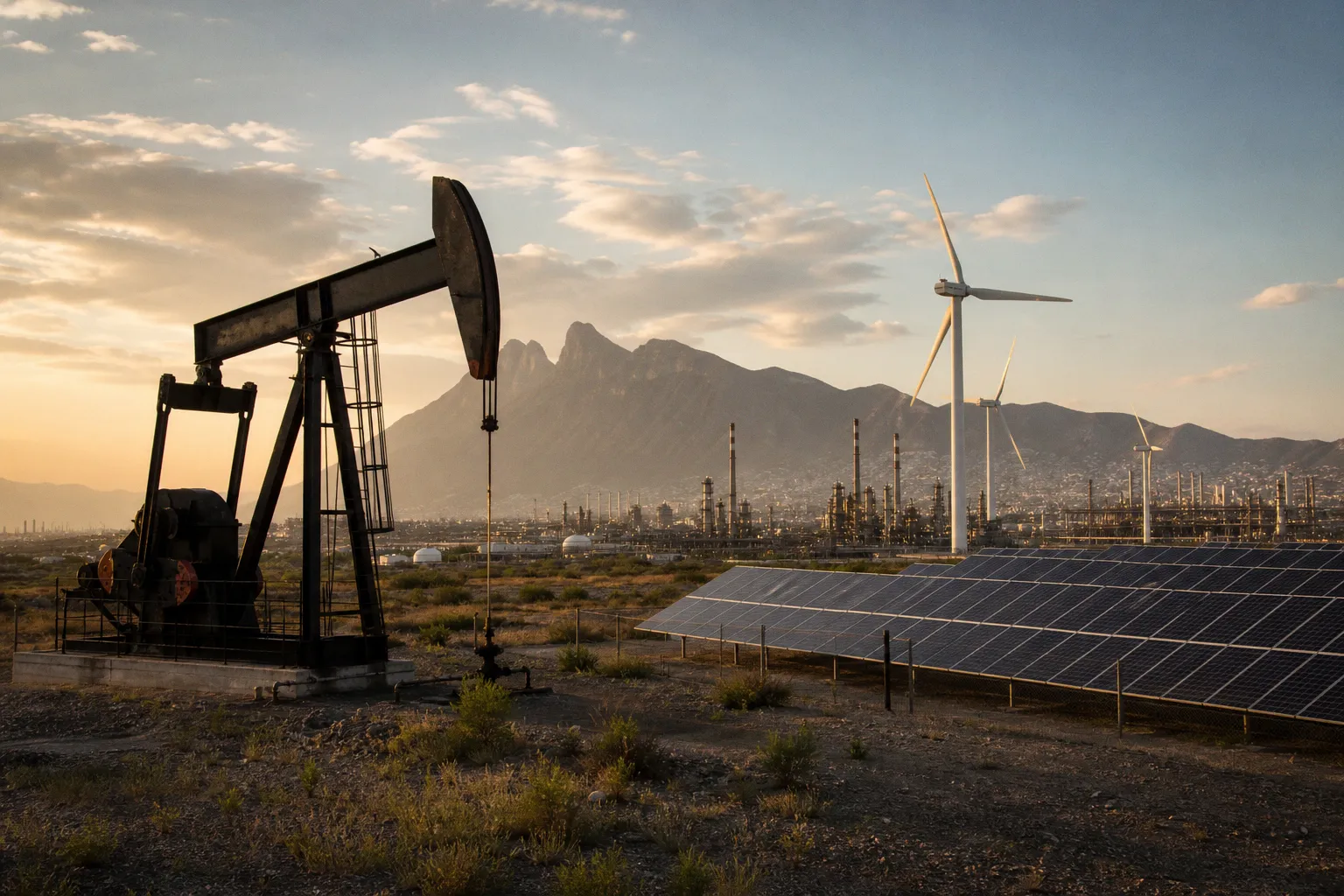
Mexico headline, global plumbing
The Mexico item itself is only visible as a headline from Discovery Alert: “Mexico’s Energy Strategy: Fossil Fuels vs Electrification in 2026.” That is not enough to price a refinery margin, a power tariff, or a copper import program. It is, however, enough to put the country back on the watchlist for traders who care about where industrial electricity demand meets fuel supply.
The practical read: don’t treat “electrification” as a clean switch. In the real supply chain, electrons still need generation, grid gear, transformers, storage, cable, substations and a port system that can move the materials. If policy leans toward fossil fuels, energy input costs and fuel logistics stay central. If it leans toward electrification, the stress moves toward metals, storage systems and grid bottlenecks.
That is where the metals desk should stay skeptical. A policy label does not move cathode, concentrate or finished equipment by itself. Physical availability, project timelines and warehouse drawdowns matter more than a neat headline.
The fossil-fuel anchor is still there
A separate report on Inpex Corp lays out the broader backdrop: major energy companies are still built around crude oil and natural gas, with LNG value chains tying upstream fields to import markets. Inpex is described as Japan’s leading exploration and production company, focused on crude oil and natural gas, with strength in LNG exports and integrated LNG projects.
That matters for Mexico’s debate because the energy transition is not happening in a vacuum. LNG and gas remain central to energy-security planning, especially where stable supply contracts and predictable cash flows are valued. The Inpex material also notes that upstream companies are weighing lower-carbon options such as carbon capture, blue hydrogen and more efficient gas-fired power, while most earnings still come from conventional oil and gas operations.
For commodity traders, this is the uncomfortable middle ground: fossil-fuel infrastructure remains bankable, while electrification creates new metals demand that is harder to satisfy quickly. The market can talk about transition; the cargoes still need liquefaction plants, carriers, terminals and buyers.
Electrification pushes the strain into metals
The other signals in the source pack point to the materials side of the ledger. IndexBox flags a forecast for commercial energy storage systems through 2035, tied to renewable integration and data-center demand. Mining Weekly, meanwhile, highlights the Democratic Republic of Congo as integral to energy-transition metals supply.
Those two items sit right in the path of any electrification push. Storage systems do not arrive by press release. They depend on battery supply chains, power electronics, installation crews and the metals that feed them. If DRC supply is central to transition metals, then electrification strategies are also exposed to mine output, processing capacity, freight, and political or operational disruptions along the route from orebody to warehouse.
This is the point many financialized narratives skip. Electrification can lift expected demand for metals, but near-term pricing will still be set by available tonnage, smelter bottlenecks, inventory location and freight rates. Traders leaning on automated cross-asset monitoring tools, including AI trading bot platforms for multi-asset market monitoring, still need to separate headline momentum from physical confirmation.
For now, Mexico’s 2026 energy story is a watch item, not a fully priced event. The near-term spot impact will come when policy language turns into fuel procurement, grid orders, storage contracts or visible metals demand. Until then, keep one eye on LNG-linked energy costs and the other on the metal units that would have to carry any serious electrification buildout.