Europe's Geopolitical Energy Premium
Brent below $73. Tankers through Hormuz. The tape reads calm. The math does not.
Forbes flags a structural miscalculation: Europe books imported energy at the dock price. The chokepoint risk premium — the one that surfaced in 2022 when the EU energy import bill hit €604 billion, gas alone at roughly €400 billion, triple the prior year — sits off-balance-sheet. By 2024 the annual bill settled at €427 billion. Still structural. Still running.
FXStreet reports Dow Jones futures slipping on energy and geopolitical overhang. Seeking Alpha notes sovereign flows rotating into energy assets as a dollar and risk hedge. Three signals, same read: the market is pricing complacency into the curve while institutional money quietly positions for the next dislocation.
For related context, see Coinbase overhauls Advanced Trading platform in bid to unify global crypto liquidity.
The Hidden Carry on Imported Energy
The data is unambiguous. Europe paid a multi-hundred-billion premium in 2022. The number receded — not disappeared. At $73 Brent with Hormuz traffic normalizing, the front-month curve prices relief. The forward structure embeds nothing for infrastructure risk. No security spread. No chokepoint term premium.
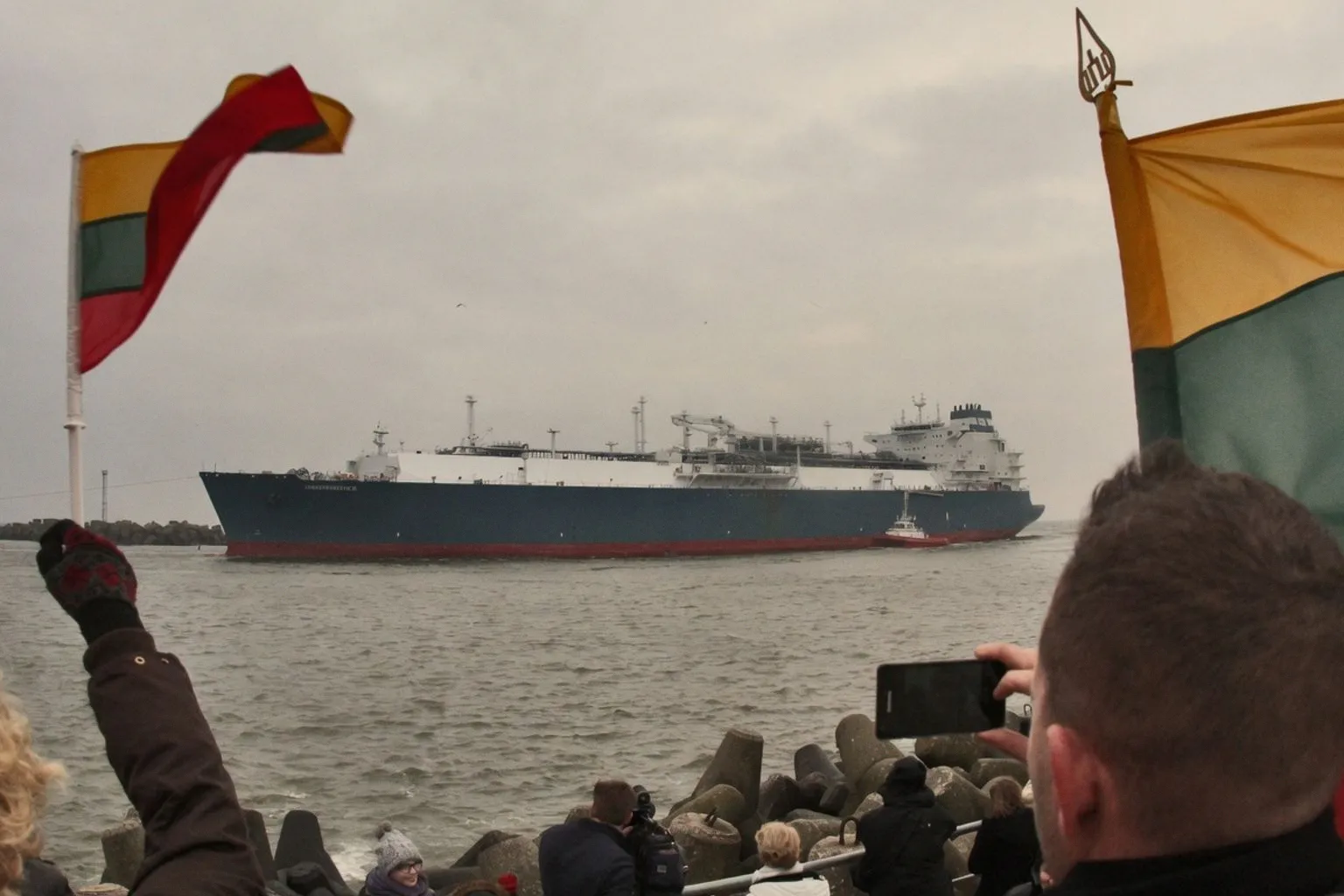
Lithuania's case is instructive: LNG terminal buildout and grid synchronization with continental Europe achieved energy independence at a high upfront cost. The alternative — recurring exposure to contested transit routes — carries a compounding annual bill the market does not mark to market. Former vice-minister Arnoldas Pikžirnis frames it directly: overpayment on Hormuz-priced imports, if redirected into European networks, would yield a fundamentally different energy topology.
The accounting failure is quantitative, not political. Domestic infrastructure shows up as a dated capital line item — easy to cut in a lean cycle. Chokepoint exposure shows up as nothing, until it shows up as everything.
Positioning and Flows
Sovereign wealth allocations tilting toward energy as a macro hedge signal that large allocators are reading the same asymmetry. The premium is unpriced in spot and near-dated futures but capitalized in sovereign positioning. Dow futures weakness on energy anxiety confirms the risk channel remains live in equity vol even as crude vol compresses.
This is a classic vol surface distortion: realized vol declining, skew steepening in energy-linked equities, while the underlying commodity trades in a $70–75 range that prices in none of the structural exposure.
Levels and Catalysts
Brent at $73 is the psychological anchor. A sustained break below $70 triggers the complacency trap Forbes identifies — capital expenditure freezes, infrastructure timelines stretch, and the next chokepoint event hits a thinner response buffer.
Monitor: EU infrastructure bill announcements (capex signal), Hormuz transit volume (realized risk proxy), and the Dec–Mar Brent calendar spread for any backwardation steepening that would price in forward supply anxiety. Options expiry cycles in European energy equities will reveal whether the sovereign-hedge thesis is translating into institutional gamma positioning or sitting in passive delta.